
Uranium In-Situ Recovery
In-situ recovery (ISR) extracts uranium from suitable underground mineralisation without conventional open-pit or underground mining.
A controlled solution, known as lixiviant, is circulated through the uranium-bearing sandstone via injection and recovery wells. The uranium is mobilised into solution and pumped to surface for processing.
ISR enables uranium to be recovered without conventional excavation of the orebody, significantly reducing the amount of material physically disturbed and handled at surface.
At the Lance Project, Peninsula uses a low-pH (mildly acidic) ISR process. Low-pH ISR is widely used in major uranium-producing regions globally, with this technique demonstrating materially stronger uranium head grades at Lance than the Company’s previous alkaline leach operations.
Uranium-bearing solution recovered from the wellfields is processed through ion exchange circuits at the Lance Central Processing Plant. The uranium is recovered from resin, processed and dried to produce uranium concentrate (‘yellowcake’) for sale into the nuclear fuel cycle.

How ISR works
1
Injection wells deliver controlled lixiviant into the uranium-bearing sandstone.
2
The solution mobilises uranium within the permeable host formation.
3
Recovery wells pump uranium-bearing solution back to surface.
4
Ion exchange captures uranium from the recovered solution.
5
Uranium is eluted from resin and processed through the Central Processing Plant.
6
The final product is dried uranium concentrate (U₃O₈), commonly known as yellowcake.
Click here to view information from the World Nuclear Association on In-Situ Leaching of Uranium.
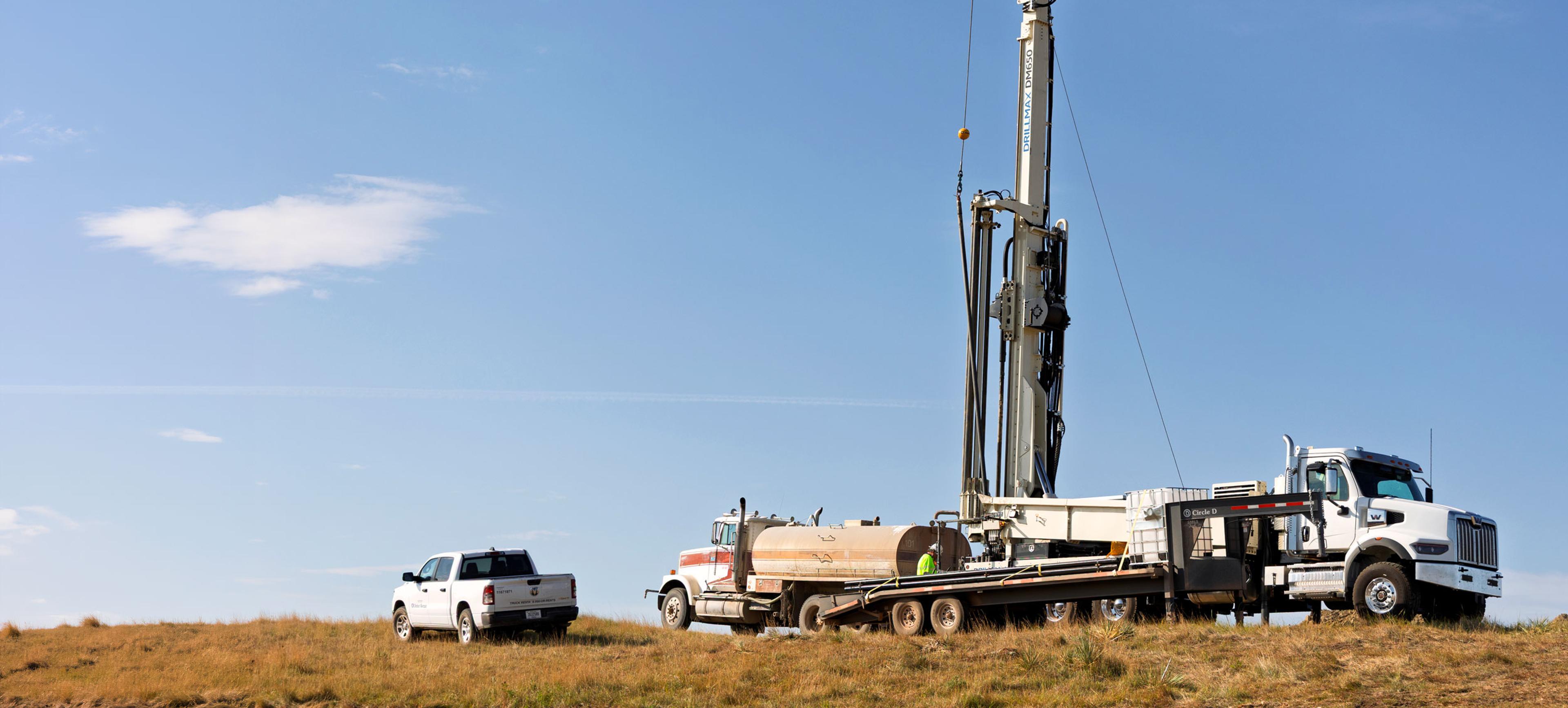
Because ISR does not require the large-scale removal of overburden or construction of open pits and waste-rock dumps, it can have a smaller surface footprint than conventional mining methods where the geology and hydrology are suitable. ISR operations remain subject to comprehensive wellfield, groundwater, environmental, radiation and regulatory controls.